-
Recent Posts
Recent Comments
Archives
- May 2013
- March 2013
- February 2013
- January 2013
- November 2012
- October 2012
- September 2012
- April 2012
- February 2012
- January 2012
- December 2011
- September 2011
- July 2011
- June 2011
- May 2011
- April 2011
- March 2011
- February 2011
- January 2011
- December 2010
- November 2010
- October 2010
- September 2010
- August 2010
- July 2010
- June 2010
- May 2010
- April 2010
- March 2010
- February 2010
- January 2010
- December 2009
- November 2009
- October 2009
- September 2009
- August 2009
- July 2009
- June 2009
- May 2009
- April 2009
- March 2009
- January 2009
- December 2008
- November 2008
- October 2008
- September 2008
- August 2008
- July 2008
- June 2008
- May 2008
- April 2008
- March 2008
- February 2008
- January 2008
Categories
Category Archives: Inspiration
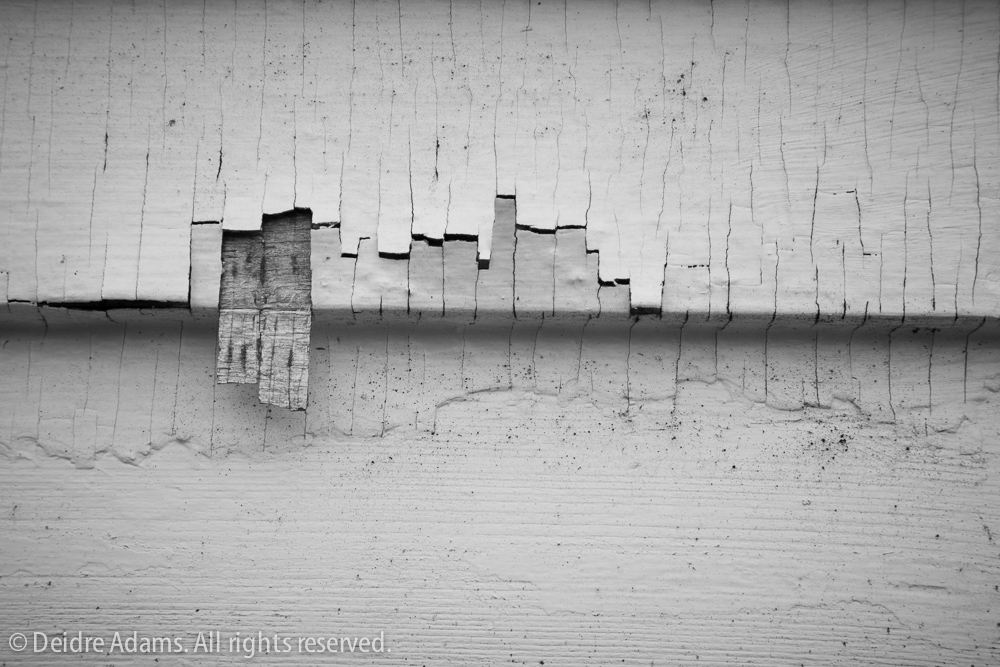
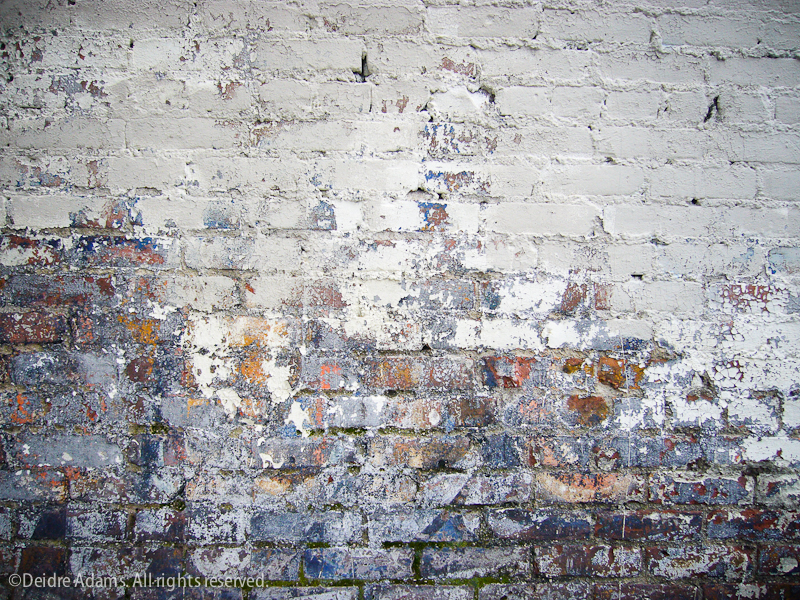
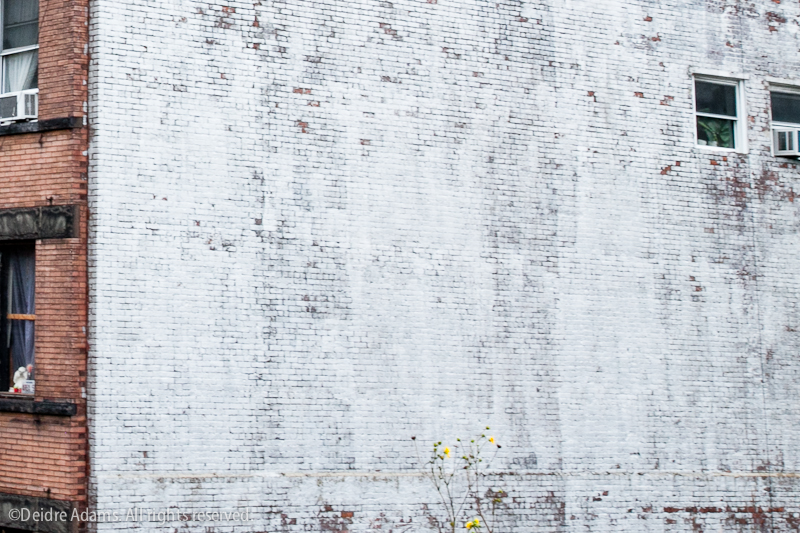
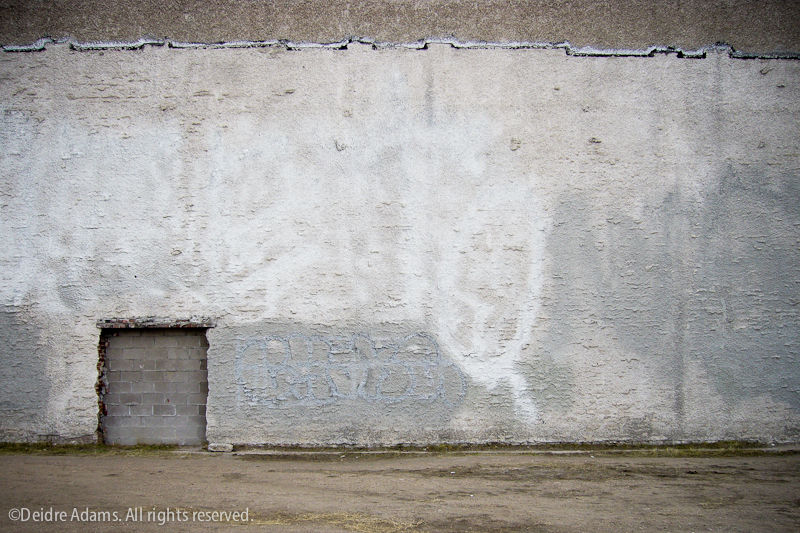
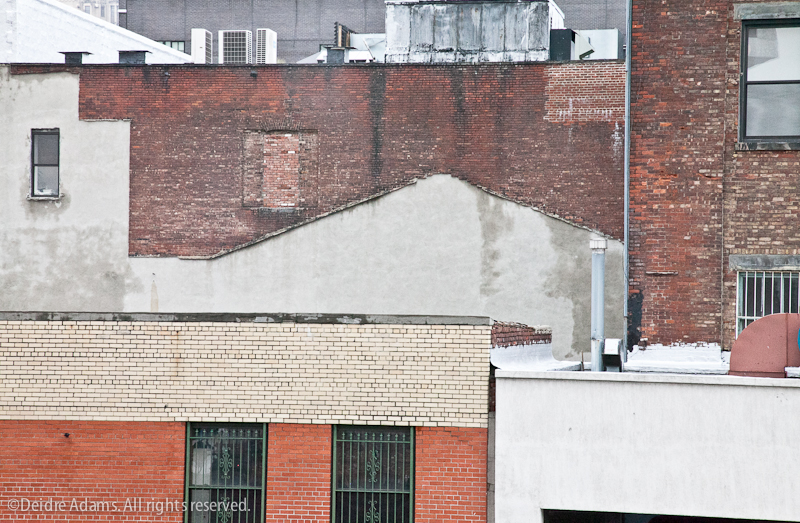
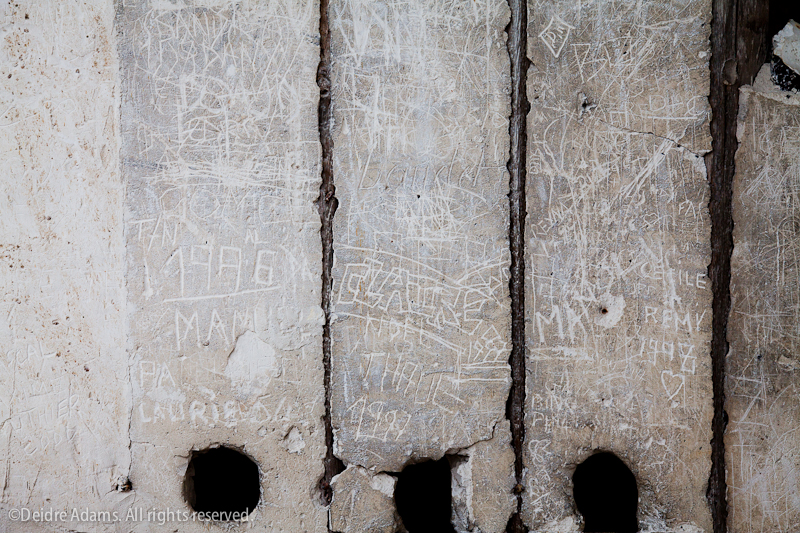
Inspiration for white work
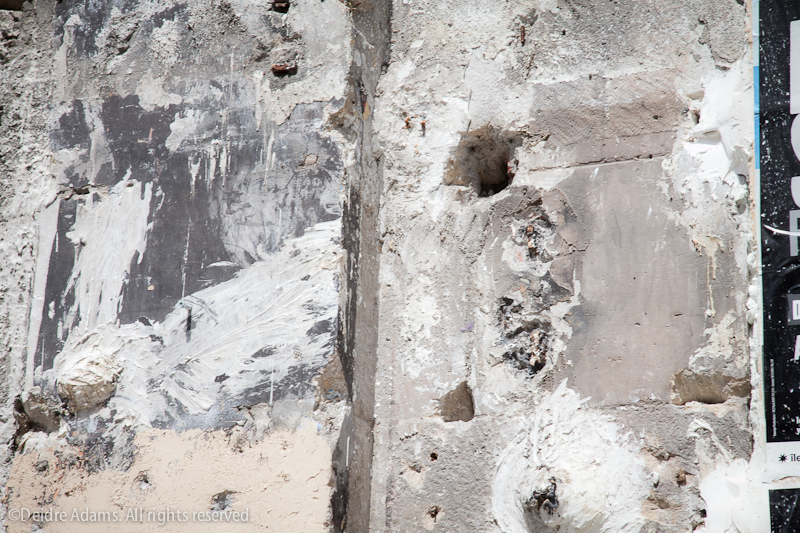
Paris, France, ©2009 Deidre Adams
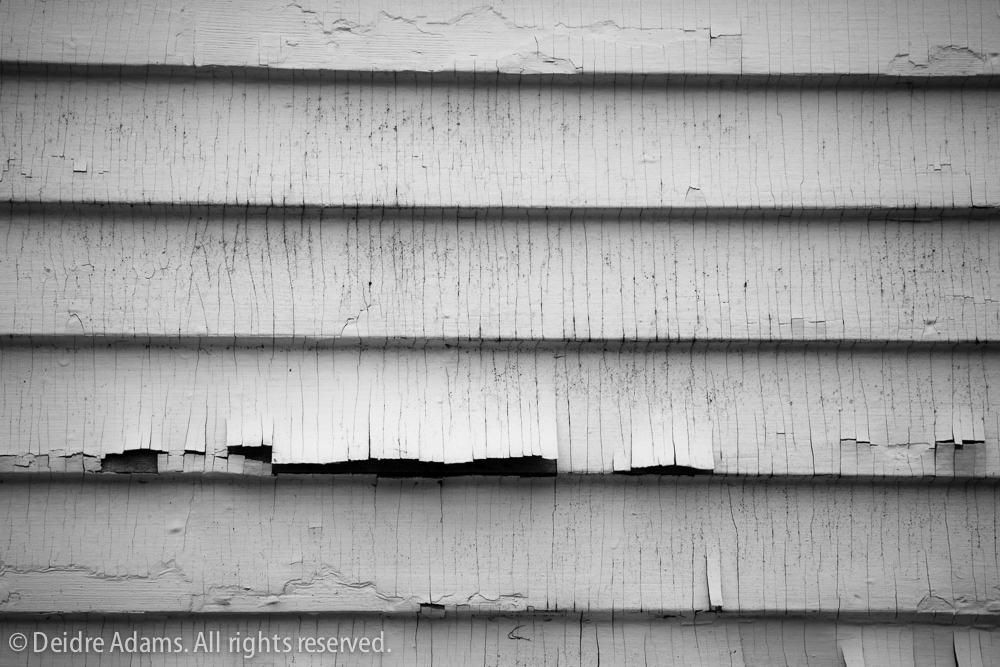
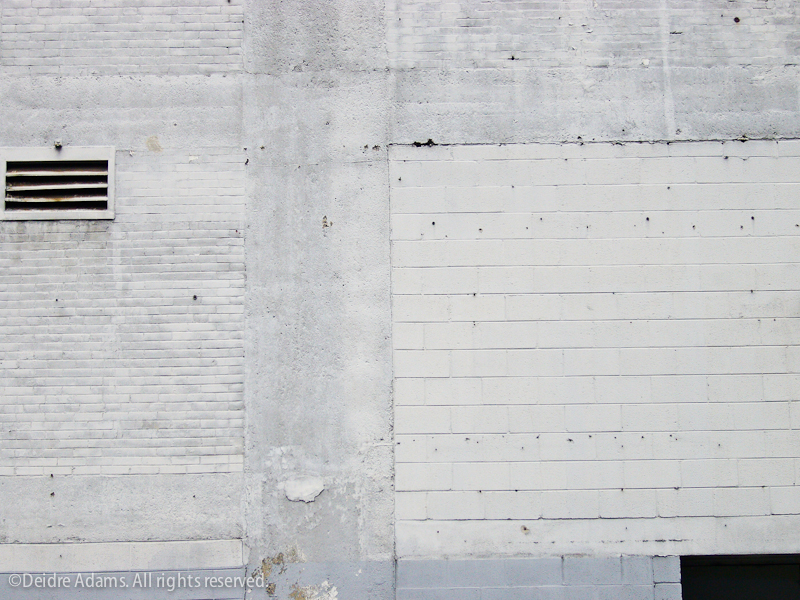
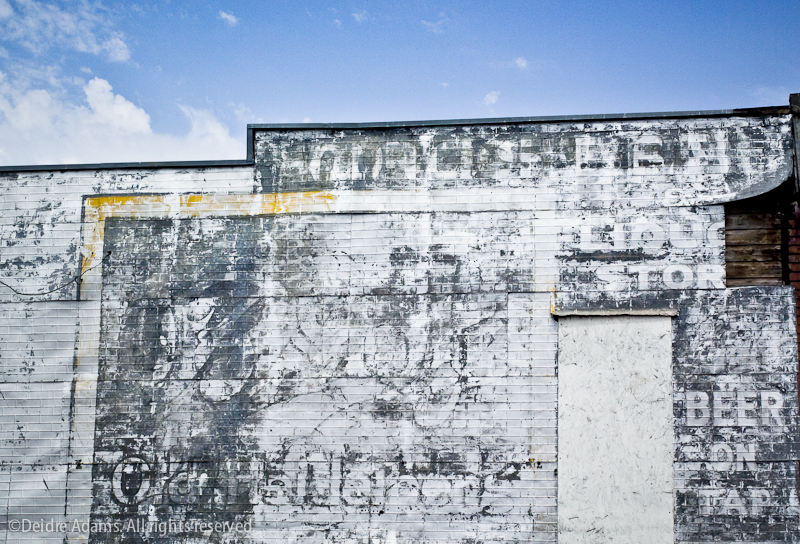
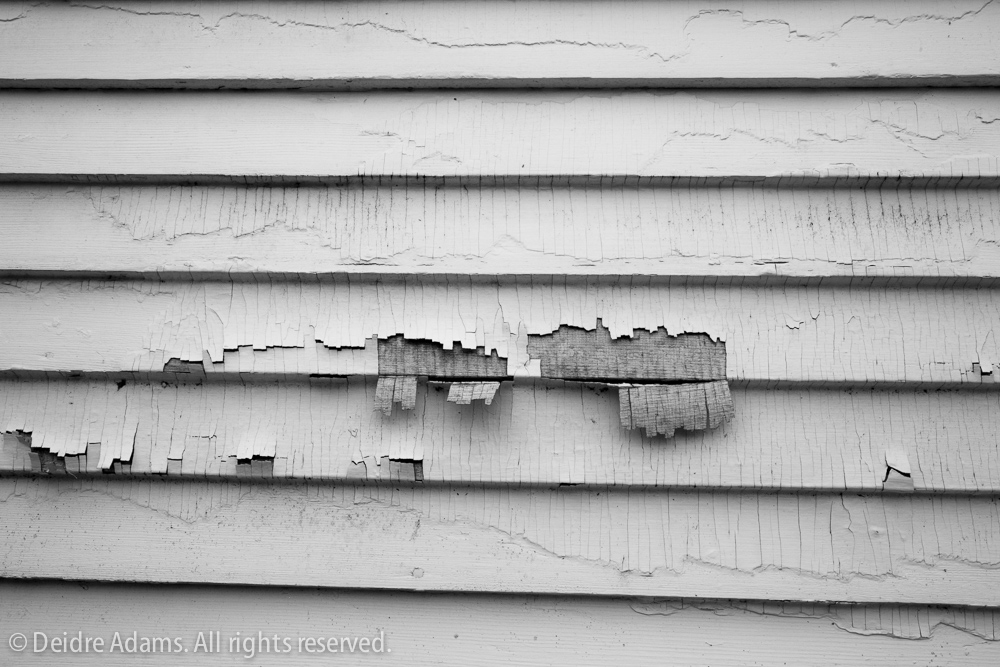
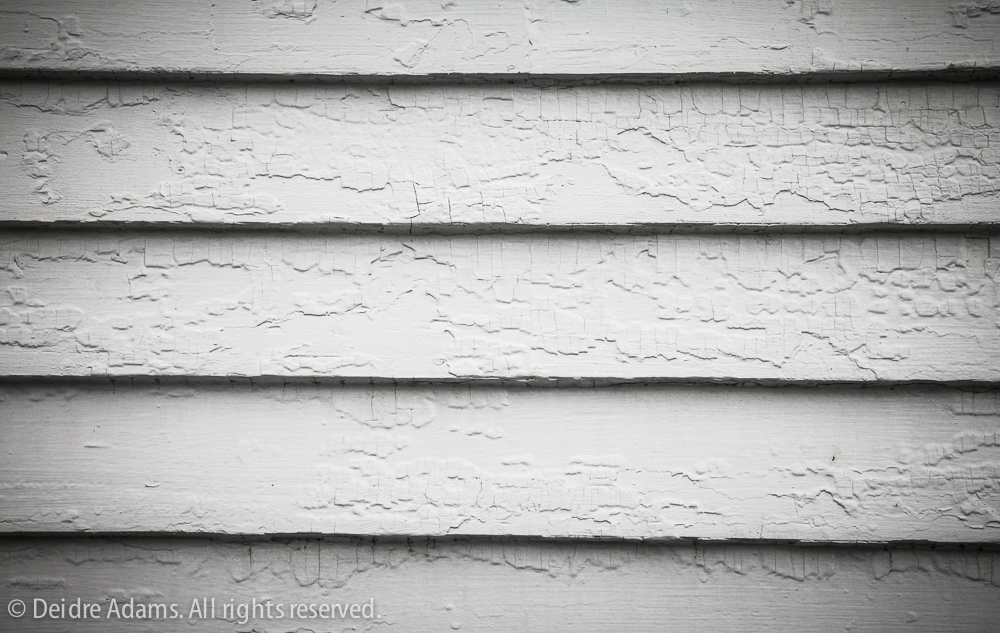
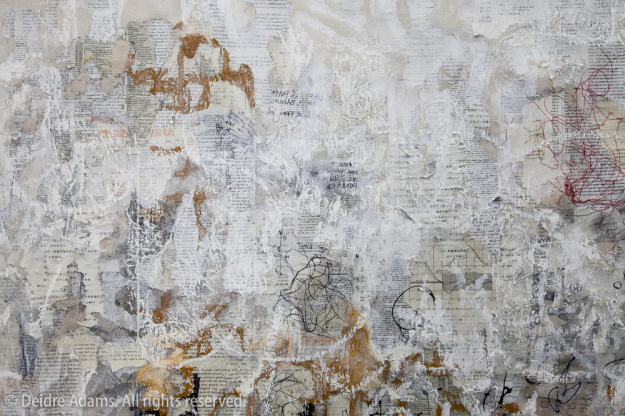
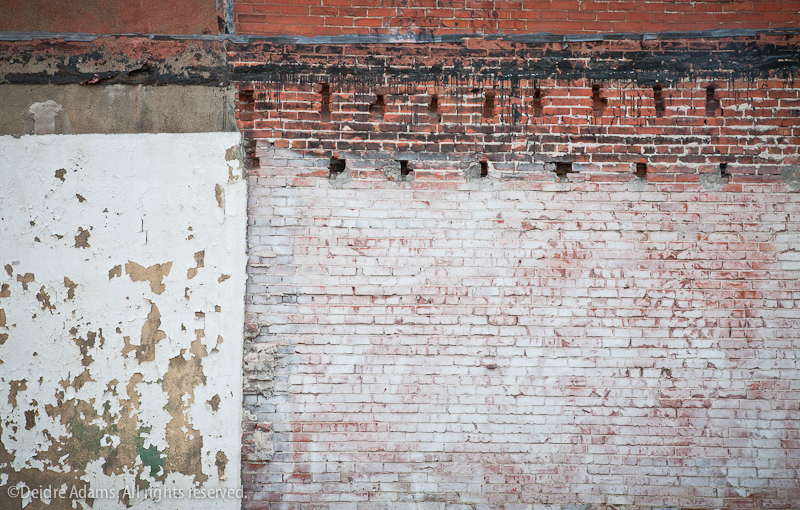
It’s snowing again today – yeehaw. We’ve had a lot of snow this winter – I mean, a lot. I’m not inclined to go to the trouble of looking it up, but I can say that my shoveling muscles have had way more use than in recent years past. I do love winter, especially since I’m no longer required to get up early and drive through it to go to a regular desk job every day, but really – enough is enough. However, if I must endure more white outside yet again, then it’s a good day to think about white work. Here are some inspiration photos to help set the mood.
A little local gallery hopping
Jonathan Saiz with Queen Doña Mariana of Austria, 80 x 71 x 8 inches, ©2009
Jonathan Saiz, “widely recognized as one of Denver’s top emerging artists,”* has a great show on view at the plus+gallery through October 17. A week ago last Friday, I went to hear his talk at the gallery.
Saiz is a friendly, unassuming guy, and his talk was of the sort I like most: informal and unrehearsed, just an artist speaking from the heart about his passion and process. This show is called Industry, and it consists of six mixed media pieces constructed of painted metal boxes and parts of machines. Each work features a miniature portrait painstakingly painted by Saiz, set into the work as a diamond is set into a piece of jewelry.
Detail from Queen Doña Mariana of Austria by Jonathan Saiz
Saiz describes the work as a dialog between painting and sculpture. It’s also about contrasts: masculine versus feminine, human versus machine, construction versus destruction. The painted miniatures reference 17th- through 19th-century portrait painting, and the industrial materials represent the “unidentifiable uneasiness and appeal of a contemporary perspective informed by the remnants of the past and the realities of the present.”* Saiz says the huge, powerful constructions function to both protect the image as well as to “kill” it.
The yellow paint color was a serendipitous choice. Known as “safety yellow,” Saiz says he bought seven gallons of the industrial grade paint on sale at a local store. Using this color was a way to create a cohesive grouping of works as well as to create the unmistakable reference to industry, as most viewers will recognize the yellow from its ubiquitous presence in heavy machinery and other industrial uses. Saiz also pays attention to surfaces, painting his boxes with multiple layers of color and then distressing them by “rubbing them on the ground in the parking lot” to reveal hints of turquoise beneath the yellow. The result is an effect of security and permanence, as though these powerful structures have existed for a long time and will continue to do so long after we are all gone.
Saiz spent some time in Paris, where he studied romantic and classical paintings and developed a deep respect for them. He also noticed that many of them were presented with elaborate, ponderous frames, which became a source of inspiration for the idea for setting his small paintings in a contemporary interpretation of the frame. He describes the effect as both humorous and vaguely menacing.
His first love is painting, but he’s looking for different ways to expand his work. The sculpture gives him a different way to approach working, as well as to keep the work from being “too pretty.”
After this talk, many of the gallery patrons continued on to Ironton studios to view the Monumental show, in which large works by five plus+gallery artists, including Saiz, are also on view through the 17th. Saiz’s work in this show is called “Grand Opening,” and it’s a related but very different work from those in the Industry show. Still constructed of multiple boxes, the portrait image in this work comes not from classical painting tradition, but from internet pornography.
Grand Opening, 95 x 142 x 17 inches, ©2009 Jonathan Saiz
Answering questions from viewers in the audience, Saiz described how he makes some of the choices in his work. He explained that he buys paint when it’s on sale, and that, as much as anything else, influenced the colors in this particular work. I found this honesty rather refreshing, as some of my choices are made in much the same way. He also goes against accepted art school methodology, experimenting with materials and finding ways of working that are right for him personally, mixing oil-based enamel with acrylics, house paint, and salt. For example, in this work, he’s layered acrylic over oil, something we’re told in school is very much against the law, violating the “fat over lean” rule. So far no adverse effects have surfaced.
Also on view in Monumental are works by Wes Magyar, Patti Hallock, Robin Schaefer (who also curated the show), and Frank T. Martinez.
*From the plus+gallery flyer for the show
France, Part 3 — Still more Paris
Monday was museum day. If art museums are your thing, there’s no better place than Paris. By this time, all of the group from school (Metro) had arrived, and we went together to several of the museums. We didn’t go to the Louvre as a group, since it’s just too overwhelming to do in a short amount of time, but some went on their own. I chose not to, because I simply am not into the crowd thing. Maybe some day I’ll get to go again at a time of year when there aren’t so many tourists in town.
Our first stop was the Musée de l’Orangerie, an institution built for the express purpose of housing eight of Monet’s 2×6-meter paintings of waterlilies, known as Nymphéas. We had special arrangements to go at a time when only a couple of small groups were allowed in and were able to avoid the masses of people who come in during the regular hours.
The Monet paintings are installed on curved walls in two oval-shaped rooms lit only by softly diffused natural light coming from overhead skylights covered by fabric filters. Standing in front of these enormous paintings at close range, I began to lose sight of them as paintings. The texture of the brush strokes becomes quite abstracted and is lovely in its own right.
Can you imagine having a studio space large enough to paint something like this and be able to get far enough back from it to see the overall effect?
The Orangerie also has an impressive collection of paintings by Cezanne, Picasso, Renoir, Modigliani, Utrillo, Derain, Soutine, and others. But by far my favorite in the Museum that day was a temporary exhibition of work by contemporary artist Didier Paquignon called Tu rencontreras d’abord les sirènes. I had never heard of Paquignon before, and I couldn’t find much about him online, but more of his work can be seen here. (Unfortunately, I can’t seem to find my notes with the titles of these works, below.)
Two paintings by Didier Paquignon, photographed at Musée de l’Orangerie, July 2009
It seems there is no subject Paquignon can’t render with lively expression and sensitive soulfulness, whether it’s an octopus, an urban landscape, a portrait, or a strangely familiar yet ambiguous interior. His handling of color and light give the work an ethereal glow that apparently can’t be reproduced in print. I was excited to find the exhibition catalog in the museum shop, but then disappointed because the paintings appeared flat and lifeless in the book.
Other activities that day included lunch at Le Souffle restaurant, a trip to the Musée National Picasso, more walking, a little shopping, and still more walking.
Harry Potter et le Prince de Sang-Mêlé is a big deal here.
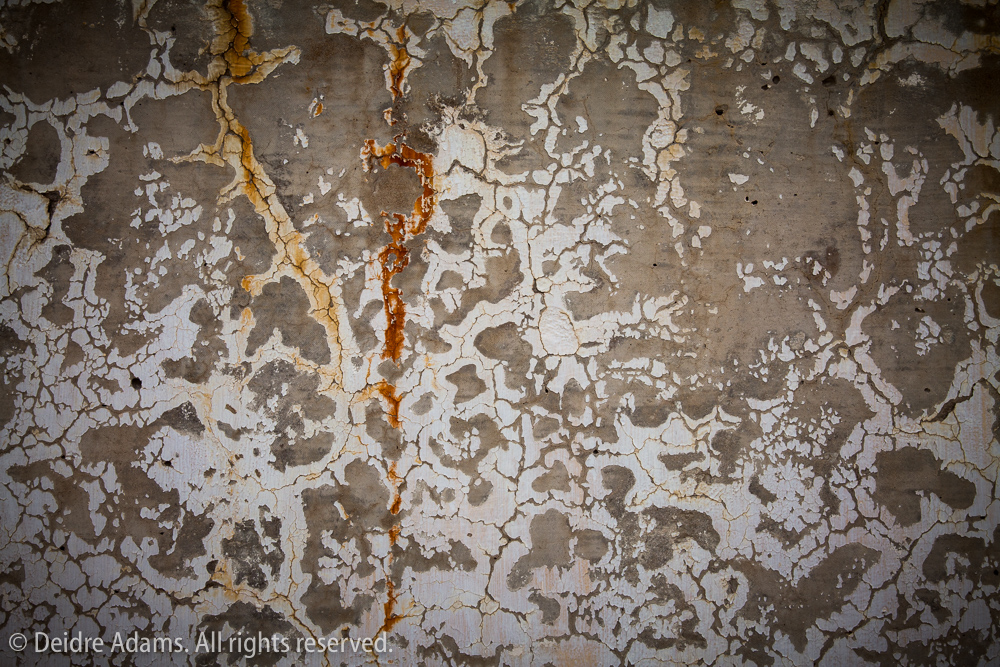
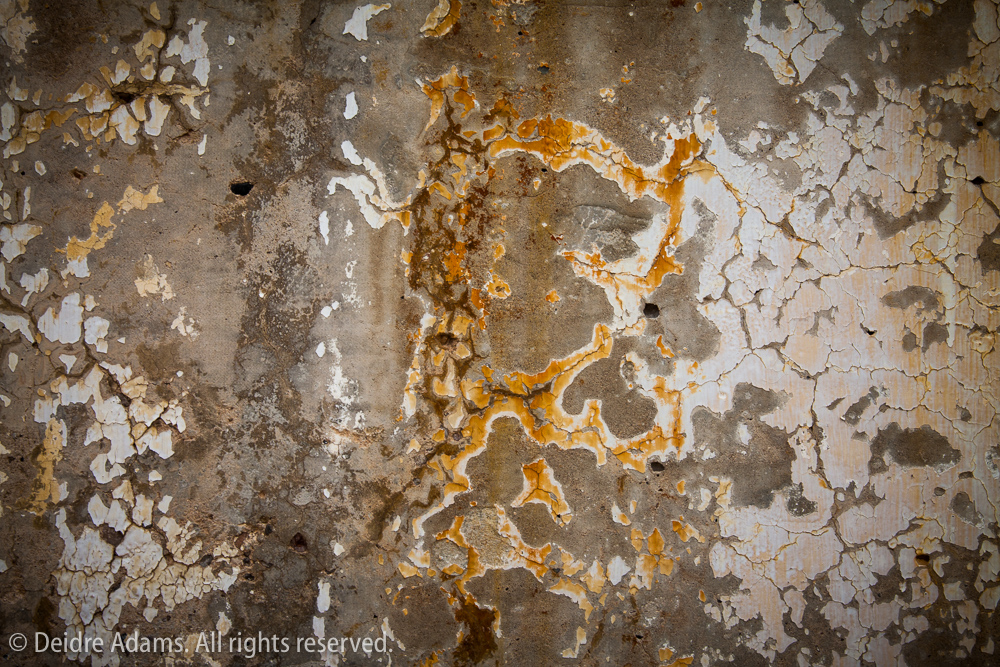
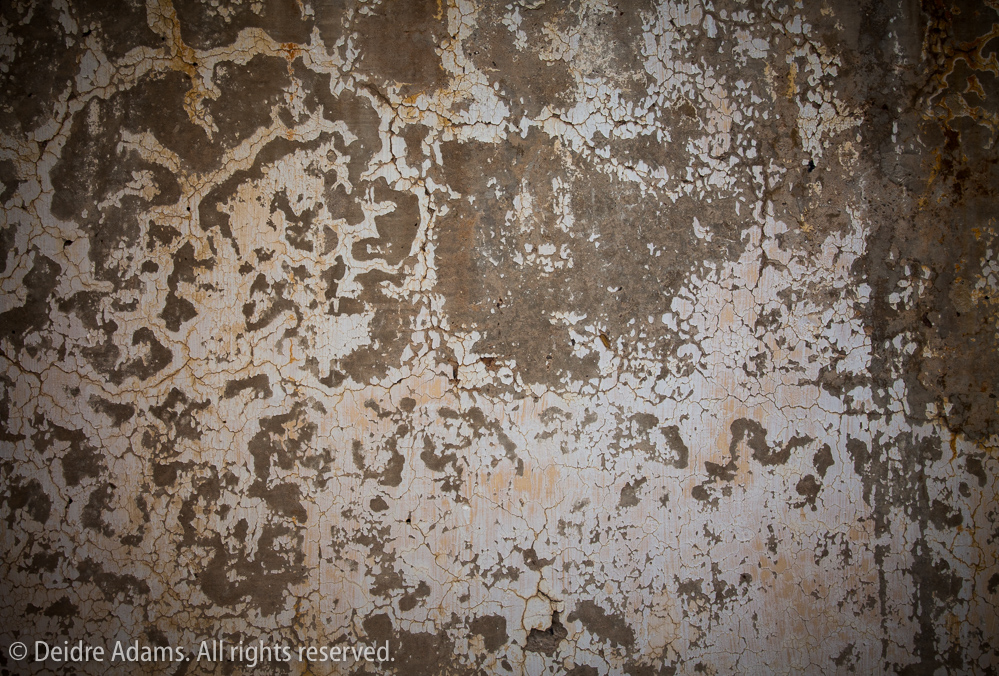
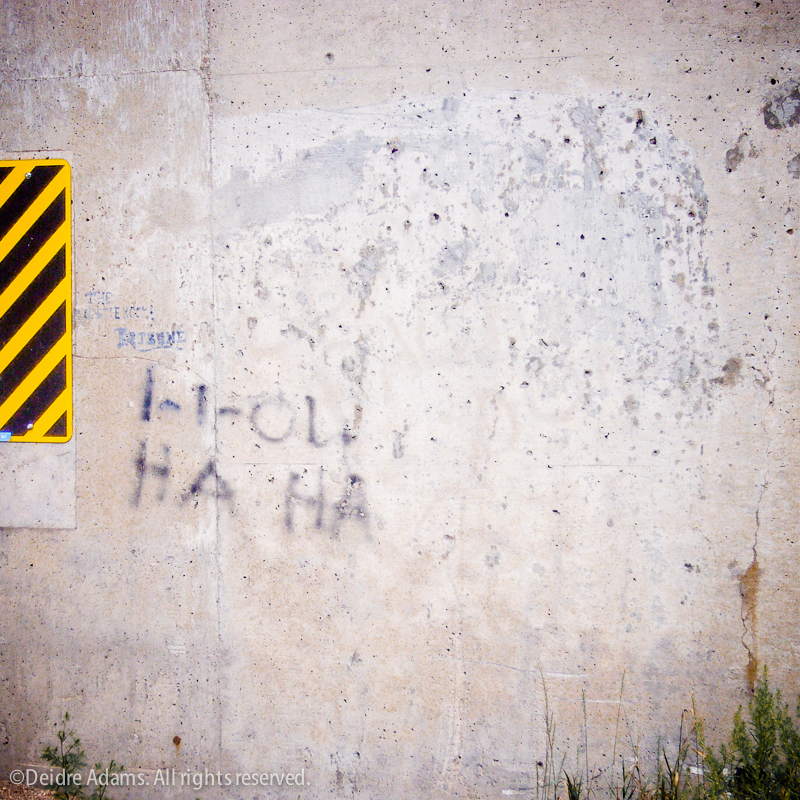
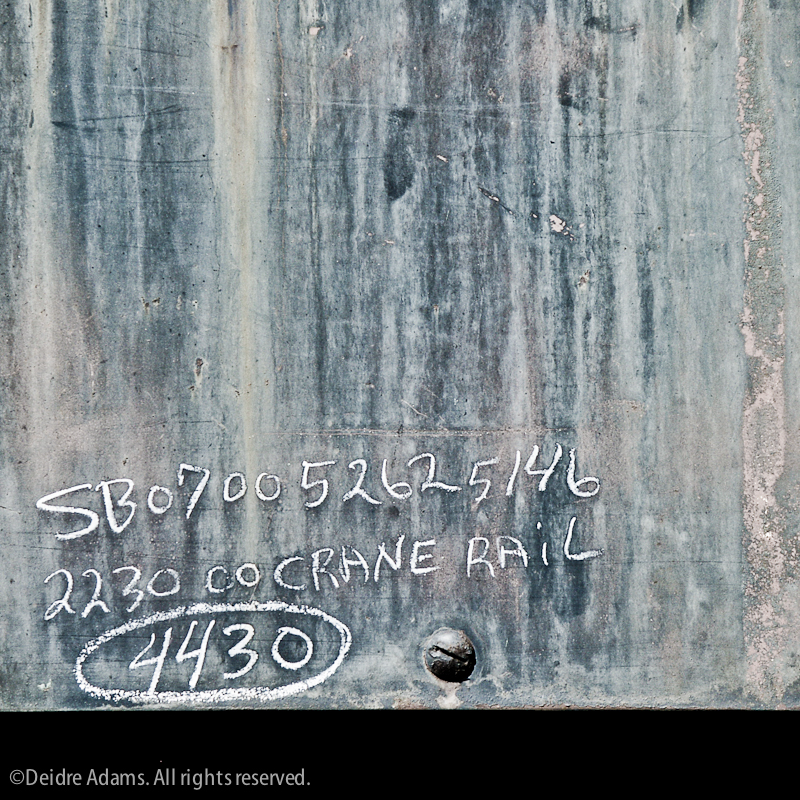
A few of my very favorite things: concrete and rust and peeling stuff.
(I’d like to hold a caption-writing contest for this one.)
The last tour for the day was the Centre Pompidou, a vast, multi-storied institution with multiple exhibition halls, research facilities, performance halls, a restaurant, an amazing bookstore, and so on and so forth. My only regret was that we had just a couple of hours here. I probably could have spent 2 or 3 days, quite happily. In addition to an amazing permanent collection of modern and contemporary art, the Pompidou was hosting major retrospective exhibitions of work by both Kandinsky and Calder. I didn’t have time to get through both of them, so, since Kandinsky has always been one of my favorite artists, that was the one I chose. One of the interesting things about the exhibit was that, in addition to the paintings, they included a selection of pages from Kandinsky’s notebooks. I always love seeing a glimpse into another artist’s thought process, but when it’s Kandinsky, well, that’s beyond cool.
The Pompidou structure is also quite interesting. I didn’t get a good shot of it, but you can see one here. You can decide for yourself whether you think it’s awesome or hideous, but regardless, the views from the top are spectacular.